Straight reach starts with approach and stand-off
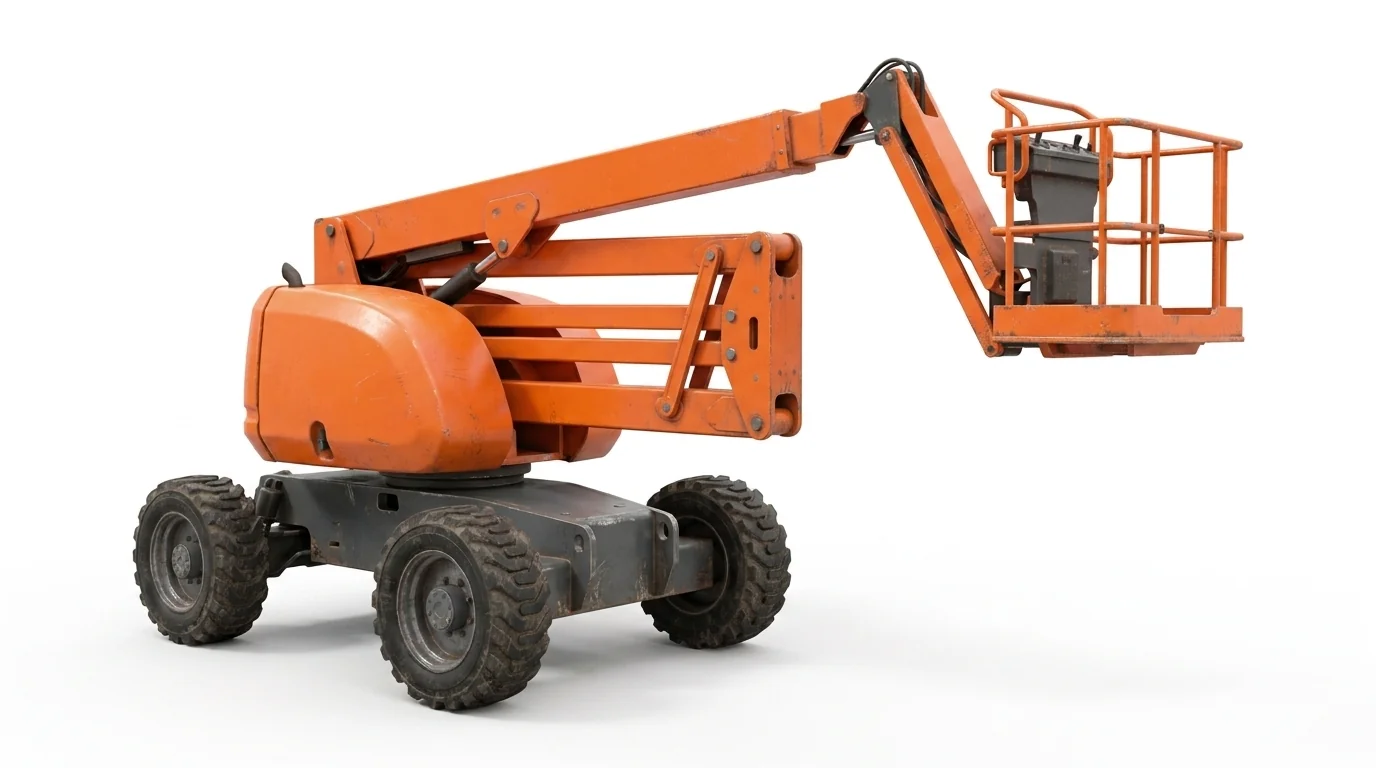
A telescopic boom shines where the work is high, directly in front of the machine, and not shielded by obstacles. Think exterior steel, lighting, or signage in open yards around manufacturing or logistics sites. Measure the distance from the safe machine position to the task, then confirm the required platform height. Any need to bend around a barrier points you back to /articulating-boom-lift-rental/.
Key checks before you size the boom: - Clear approach with room to reposition in small increments. - Stable ground conditions along the stand-off path. - Known platform height and horizontal distance to the work.
Local conditions that affect straight-boom planning
- Winter exposure: Lake-effect moisture and gusts can reduce workable windows. The site’s wind procedures and the selected unit’s instructions govern operation.
- Mixed-age pavements: Frost heave and patched aprons can change chassis level and reach geometry. Rough-terrain configurations help where slab-grade machines sink or lose traction.
- Industrial footprints: Open lanes in manufacturing yards usually fit straight booms; interior aisles or overhead runs in institutions often do not.
Sizing and configuration considerations
- Platform capacity and width for tooling at elevation.
- Tire type and rough-terrain capability for wet aggregate or gritty concrete.
- Tail swing and transport width for gate and corridor planning.
- Weight and ground pressure where subsurface conditions are uncertain.
When a different lift fits better
- Obstructions or parapets in the way? Consider /articulating-boom-lift-rental/.
- Work that is primarily vertical indoors? See /electric-scissor-lift-rental/.
- Broad exterior platforms on uneven grade? Compare /rough-terrain-scissor-lift-rental/.
Cleveland reach scenarios
On waterfront-adjacent projects or open industrial lots, a straight boom lets you park outside sensitive zones and still hit the target. In winter, expect damp surfaces along stand-off routes; build in room for repositioning to keep the chassis on firmer ground. The long, predictable geometry favors tasks like line-of-sight fixture work and elevated equipment placement without weaving through obstacles.