Map the reach problem
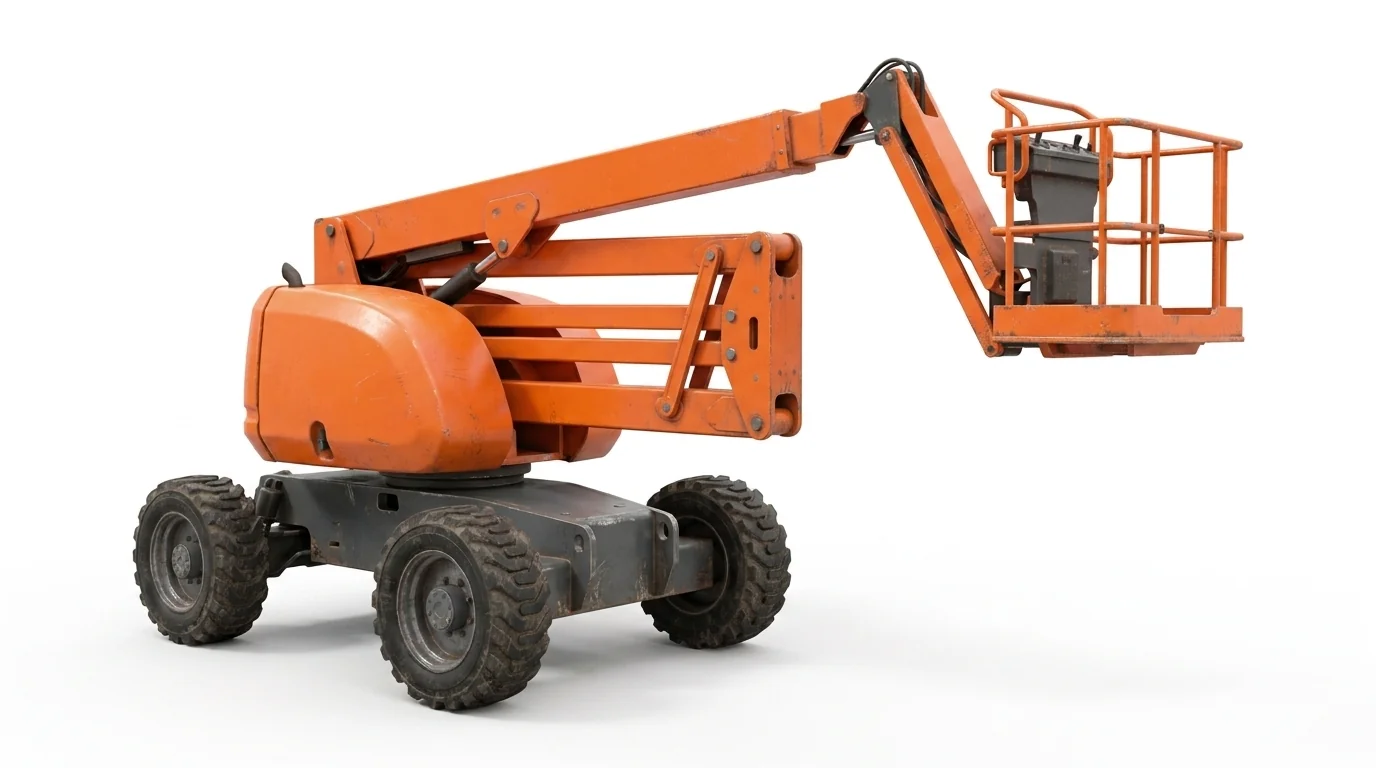
- Up-and-over around ducts, conveyors, or façade details: Articulating booms bend at joints to place the platform where a straight mast cannot.
- Long, straight outreach to signs, lighting, or rooftop edges: Telescopic booms extend linearly for distance.
- Verify actual working height and horizontal reach required; oversizing adds weight and staging challenges on tight sites.
Cleveland-specific site factors
- Mixed surfaces at industrial properties—patched pavement, gravel edges, and thresholds—affect how larger booms maneuver.
- Lake-effect wind and winter precipitation influence exterior staging windows. The selected unit’s instructions and site procedures govern acceptable conditions at height.
- Older buildings may have limited gate widths or interior doors that restrict equipment movement between zones.
Constraints that refine selection
- Tail swing and turning radius: Critical near loading docks and tight laydown areas.
- Floor and ground bearing: Heavier booms require verified support, especially near utility corridors or backfilled areas.
- Power source: Indoor scopes typically favor electric or hybrid options; exterior reach work often uses engine-driven units staged outdoors.
When a boom isn’t necessary
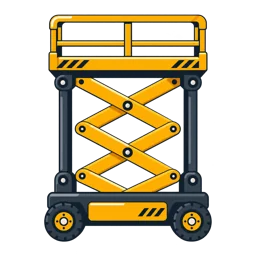
- If you can set directly beneath the task with no obstructions, a scissor lift at /aerial-lift-rental/ or /electric-scissor-lift-rental/ may be simpler and lighter.
- For very tight indoor spots with low heights, /vertical-mast-lift-rental/ can reduce footprint.
Related categories
- Scissor lifts: /electric-scissor-lift-rental/, /rough-terrain-scissor-lift-rental/
- Material handling complements: /forklift-rental/, /telehandler-rental/
Discuss reach geometry and site access with Cleveland Scissor Lift Rentals at (216) 672-6364.