Start with the load and placement geometry
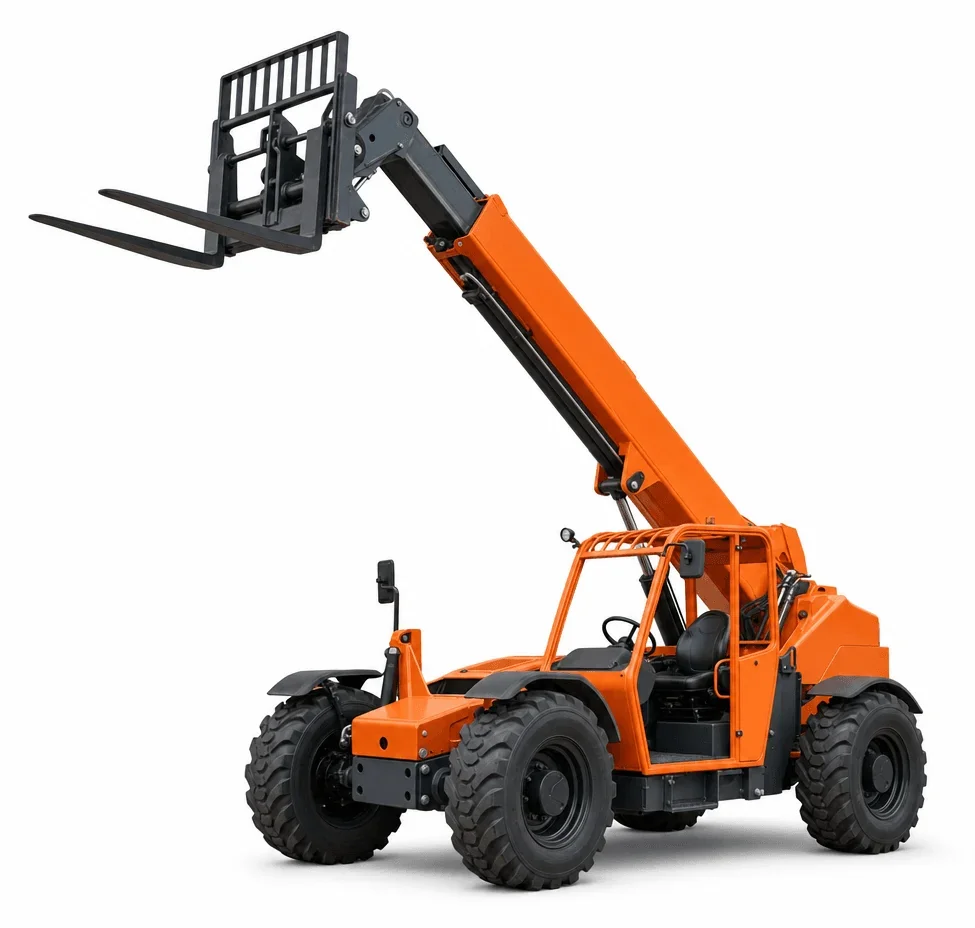
Telehandlers are defined by rated capacity at specific boom angles and extensions. Identify the heaviest load, the set-down height, and the horizontal reach from a stable stopping point. In Cleveland’s advanced manufacturing and warehouse build-outs, common tasks include setting equipment on mezzanines, feeding materials through openings, and staging pallets at elevation.
Key planning items: - Maximum load weight and the furthest placement distance you must achieve. - Fork height relative to decks, mezzanines, or trucks. - Chassis width and turning radius for narrow yards or interior approaches.
Ground conditions and tires in regional weather
Lake-effect snow and freeze-thaw cycles leave yards damp and uneven. Rough-terrain telehandlers with appropriate tires handle compacted snow, grit, and patched aggregate better than slab-focused machines. When working near older structures or temporary surfaces, check ground bearing expectations; the site’s procedures and the unit’s guidance govern.
Attachments and carriage setup planning
Different carriage widths and fork configurations influence how well you can approach tight openings or place loads inside racking. Clarify pallet dimensions, clearance to door frames, and whether side-shift capability would reduce repositioning.
Visibility and boom control
Longer booms improve placement height but affect visibility near the forks, especially with mixed lighting in winter months. Plan spotter locations and staging that keep the machine on firmer ground while delivering the needed reach.
Related equipment comparisons
- For vertical personnel access to install what you’ve placed, see /telescopic-boom-lift-rental/ and /articulating-boom-lift-rental/.
- For interior pallet movement and dock work, compare /forklift-rental/.
Cleveland use cases
On local projects, telehandlers bridge the gap between ground-level staging and elevated platforms during fit-outs, panel placements, or equipment swaps. The combination of aging pavements and winter humidity makes stable positioning and correct reach geometry central to selecting the right class.